


Debunking common myths surrounding gambling misconceptions
The Myth of “Guaranteed Wins”
One of the most prevalent myths in gambling is the belief that certain strategies guarantee wins. Many players fall prey to systems promising to beat the odds, especially in games like poker or blackjack. However, these games are fundamentally designed to have a house edge, meaning that, over time, the casino always comes out on top. Players may experience winning streaks, but these are often due to chance rather than any proven strategy. Players interested in finding the best options for online experiences can explore sites that feature bonuses, such as $10 neosurf casino australia, which helps enhance their gambling enjoyment.

Additionally, players frequently misconstrue their understanding of statistical probability. They may believe that a particular outcome is “due” to happen based on previous results, but in reality, each game operates independently. This misconception leads to poor betting choices and can result in significant financial losses. Understanding that gambling is a game of chance rather than a calculated investment is key.
To illustrate this, consider slot machines. Many players think they can identify “hot” machines based on prior payouts, but every spin is random. Casinos use random number generators to ensure fairness, meaning past outcomes do not influence future results. Recognizing that no strategy can alter this randomness is vital for maintaining a healthy gambling perspective.
Gambling is Only for the Unemployed
Another widespread misconception is that gambling is primarily an activity for the unemployed or those facing financial difficulties. This stereotype overlooks the diverse demographics of gamblers today. Many individuals who engage in gambling are employed professionals, enjoying it as a form of entertainment similar to dining out or attending a concert. In fact, surveys reveal that a significant portion of gamblers hold steady jobs and lead fulfilling lives outside of their gambling habits.
This stereotype can create stigma around recreational gambling, often deterring responsible individuals from participating. It fosters a misunderstanding that gambling is inherently linked to desperation or addiction. Consequently, it is crucial to promote the idea that gambling can be a responsible pastime when approached with discipline and within one’s means.
Moreover, the gambling industry continuously aims to provide a safe environment for players, encouraging responsible gaming practices. Many casinos offer tools such as self-exclusion programs and budgeting resources to assist players in maintaining control. Emphasizing these features can help reshape perceptions about who participates in gambling activities, thus fostering a more inclusive community.
All Gamblers are Addicts
Contrary to popular belief, not all gamblers struggle with addiction. While gambling addiction is a serious issue that affects some individuals, the majority of gamblers engage in the activity without detrimental consequences. Many players view gambling as a form of entertainment, enjoying the thrill without letting it interfere with their daily lives. This distinction is essential to understand in order to combat the stigma surrounding gambling.
Studies indicate that only a small percentage of gamblers develop problematic behaviors. Furthermore, research has shown that most people can gamble responsibly and enjoy the occasional risk without leading to addiction. The notion that all gamblers are addicts often stems from sensationalized media portrayals, which can misinform the public about the reality of gambling behavior.
To help clarify this issue, educational initiatives should focus on responsible gambling practices, emphasizing that moderation is key. By promoting awareness of the signs of gambling addiction and available resources, players can better navigate their experiences. Encouraging open conversations about gambling can demystify the activity and help individuals understand its broader context.
Gambling is Only About Luck
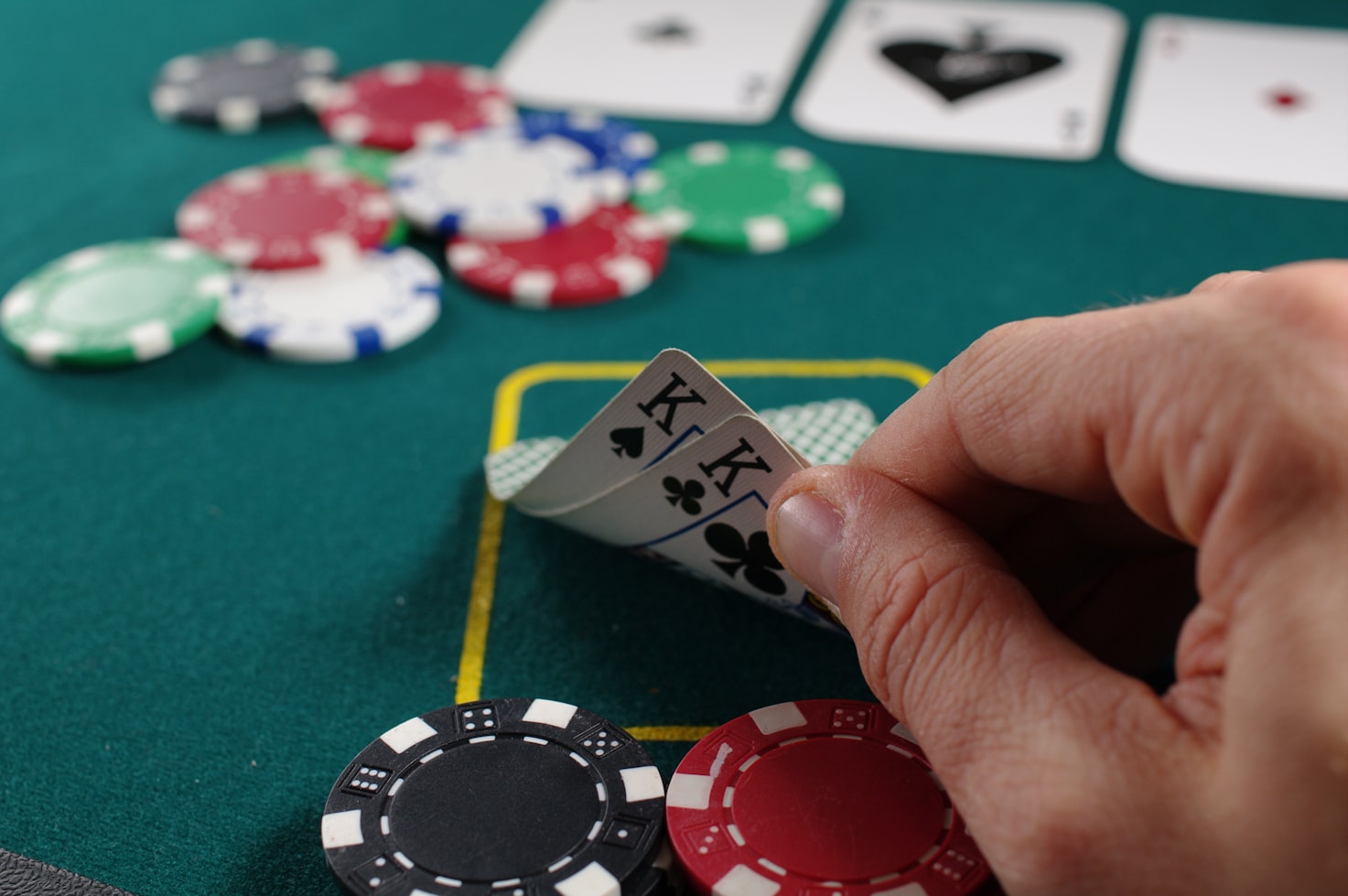
Another common myth is that gambling is solely a game of luck, downplaying the skill and strategy involved in many games. While luck undoubtedly plays a significant role in gambling outcomes, several games require knowledge, experience, and strategic thinking. Games like poker and blackjack require players to analyze situations, assess risks, and make calculated decisions based on their understanding of the game.
For example, successful poker players often study their opponents’ behaviors and betting patterns to make informed decisions. This strategic element elevates the game beyond mere chance, showcasing the importance of skill. Understanding odds, probability, and the psychology of other players can lead to better outcomes, reinforcing the idea that gambling can be as much about skill as luck.
Furthermore, the distinction between luck and skill impacts how players approach their gambling experiences. Players who recognize the role of strategy may make more informed decisions, allowing for a more engaging and potentially rewarding experience. This understanding can also contribute to developing responsible gambling habits, as informed players are less likely to rely solely on luck for their outcomes.
Understanding Responsible Gambling Practices
In light of these myths, it’s essential to highlight the importance of responsible gambling practices. Recognizing that gambling is a form of entertainment can encourage individuals to set limits and approach it as such. This mindset allows players to enjoy the experience without falling into negative behaviors. Establishing a budget and sticking to it can help ensure that gambling remains a fun and enjoyable activity.
Furthermore, resources are available for those seeking guidance in their gambling habits. Many casinos and online platforms promote responsible gaming by offering tools like self-assessment tests, budgeting calculators, and support hotlines. These resources are vital for fostering a safe gambling environment and helping players recognize when it might be time to take a step back.
Ultimately, education plays a crucial role in changing the narrative surrounding gambling. By promoting awareness of responsible practices and dispelling common myths, individuals can approach gambling with a healthier mindset. This shift not only benefits players but also contributes to a more respectful and understanding gambling community as a whole.
